
Finding rotted wood around your home can leave you with more questions than answers. How far has the damage spread? Why did it happen? Does the entire board need replacement? Before moving forward with Olathe wood rot repair, we believe homeowners should understand what is damaged, what caused it, and exactly what the proposed repair is intended to accomplish.
What Should You Know About Wood Rot Before Starting Repairs?
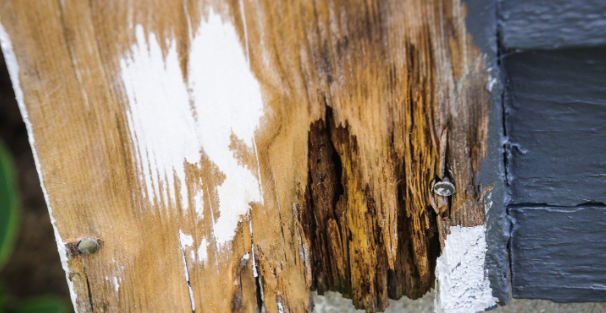
Wood rot isn’t simply old or weathered wood. It develops when wood has enough moisture exposure for wood-decaying fungi to grow and begin breaking down the material. Around a home, that moisture can come from several sources. Failed caulking around windows or doors can allow water into areas where it shouldn’t be. Damaged or deteriorating exterior paint can leave wood less protected. Gutters, roof drainage, flashing issues, or repeated exposure to rain can also contribute. The tricky part is that the damage you see isn’t always the entire problem. A small soft spot on exterior trim may be fairly isolated. In another situation, removing that damaged section could reveal deterioration extending farther than expected. That’s why a good repair starts with questions—not assumptions.
1. How Much of the Wood Is Actually Damaged?
This should be one of your first questions. Wood rot can sometimes be limited to one piece of trim or a relatively small section. Other times, deterioration extends behind or beyond the visible area. Ask how the contractor determined the extent of the damage and whether additional material may need to be exposed during the repair. When we’re evaluating wood rot in Olathe, we want to look at the surrounding area instead of focusing only on the most obvious damaged spot. If the scope changes once material is removed, you should know how the contractor will communicate that to you before additional work proceeds.
2. What Caused the Wood to Rot?
Replacing damaged wood is important, but understanding why it deteriorated matters too. Otherwise, you could end up repairing the symptom without addressing the condition that contributed to it. Ask whether there are signs of failed caulk, deteriorated paint, drainage problems, recurring moisture exposure, or another visible issue around the damaged area. Not every moisture problem will be something your wood rot contractor can correct. A roofing, gutter, plumbing, or other specialized issue may require another professional. We would rather point that out than replace a board and ignore an obvious source of moisture.
3. Does the Wood Need to Be Repaired or Replaced?
Not every damaged area requires exactly the same solution. The location, purpose of the material, and extent of deterioration all matter. A contractor should be able to explain what they’re recommending and why. If replacement is recommended, ask how much material will be removed and what will be installed in its place. If another repair method is proposed, ask why it’s appropriate for that particular area. For Olathe wood rot repair, our goal is to deal with the deteriorated material rather than simply cover it up and make it look better temporarily. A fresh coat of paint over soft, compromised wood isn’t a wood rot repair.
4. Is the Damage Cosmetic or Structural?
This is an important distinction. Many wood rot problems homeowners notice involve trim or other exterior components that aren’t necessarily structural. However, moisture and deterioration can sometimes affect materials that serve a more important structural function. Don’t assume one way or the other based solely on appearance. Ask what role the damaged wood plays in the home. If there’s reason to believe structural framing or another critical component may be affected, the situation may require a different level of evaluation or additional expertise. A trustworthy contractor should be willing to tell you when a problem extends beyond the scope of a routine wood repair.
5. What Material Will You Use for the Replacement?
If wood or another component needs to be replaced, ask what’s going back in. The answer can depend on where the repair is located and how the area needs to be finished afterward. The contractor should consider compatibility with the existing home, exposure to weather, appearance, and the requirements of that specific application. Also ask how the new material will be prepared and protected. Replacing deteriorated material is only one part of the process. Proper finishing, caulking where appropriate, priming, and painting can all be important to protecting exterior repairs.
6. Will the Repaired Area Match the Rest of My Home?
Homeowners understandably care about how a repair is going to look. If a damaged trim board is replaced, for example, you probably don’t want the repaired section to stand out every time you pull into the driveway. Ask whether painting is included in the estimate and how the contractor plans to blend the repair with surrounding surfaces. Sometimes an exact paint match can be difficult when the existing coating has faded over years of sun and weather exposure. A contractor should explain that possibility rather than promising an invisible repair in every situation. Good wood rot repair in Olathe should address the underlying deterioration while also considering the finished appearance.
7. What Exactly Is Included in the Estimate?
This question can save a lot of confusion later. Look beyond the total price.
- Does the estimate include removal of deteriorated material?
- Disposal?
- Replacement material?
- Preparation?
- Caulking?
- Primer?
- Paint?
- Cleanup?
- What happens if additional rot is uncovered after the work begins?
Wood damage can sometimes extend into concealed areas that weren’t visible during the original inspection. Ask how additional work is approved and priced before you sign the agreement. We believe homeowners should understand the scope rather than receive a vague number and hope everything they expect is included.
8. How Can I Help Prevent the Problem From Returning?
This is one of the most useful questions you can ask. Depending on what contributed to the damage, prevention may involve maintaining exterior paint, monitoring caulking, keeping gutters functioning properly, correcting drainage concerns, or simply watching an area that receives significant weather exposure. Kansas weather can be tough on exterior materials. Homes in Olathe experience summer heat, thunderstorms, humidity, winter freezes, and repeated temperature changes throughout the year. Routine exterior inspections can help you catch failed coatings, gaps, and deteriorating wood before the damage becomes obvious from across the yard.
9. What If the Repair Is More Extensive Than My Budget Expected?
Wood rot isn’t always an expense homeowners see coming. You may call about one damaged board and learn that several areas need attention. If repairs become more extensive, ask whether the project can reasonably be prioritized or completed in stages. For qualifying homeowners and projects, wood rot repair financing in Olathe may also be an option worth exploring. Depending on available programs, homeowners researching structural repair payment plans in Olathe should carefully review the actual financing terms, including approval requirements, interest, fees, repayment period, and total repayment amount. Financing availability shouldn’t change which repairs are actually necessary. It simply may offer another way to pay for qualifying work.
10. How Do I Compare Wood Rot Repair Estimates?
Price matters, but don’t compare only the bottom line. Look at what each contractor plans to remove, replace, prepare, finish, and paint. One estimate may appear less expensive because it includes a much narrower scope. If you’re looking for affordable structural repair in Olathe, affordability should mean getting the appropriate work completed at a reasonable cost—not automatically selecting the least expensive proposal. And remember that not every wood rot project is a structural repair. Make sure you’re comparing contractors based on the actual type of damage your home has. Ask questions until you understand the difference between the estimates.
Why Choose Residential Solutions for Wood Rot Repair?
At Residential Solutions, we know most homeowners aren’t excited to discover rotted wood. Usually, you noticed something while painting, cleaning, replacing a window, or simply walking around the house. Our job is to help make the next step clearer. When evaluating Olathe wood rot repair, we look at the damaged area, surrounding materials, and visible conditions that may have contributed to the deterioration. From there, we can explain what we believe needs to be addressed and what the repair involves.
We also want you to ask questions. Ask what’s damaged. Ask why it happened. Ask what we’re removing, what we’re replacing it with, and how the finished area will be protected. If something unexpected is discovered once work begins, you should understand what changed and why. Wood rot is much easier to make decisions about when you know what you’re dealing with. Taking the time to understand the problem before repairs begin can help you avoid temporary fixes, plan your budget more confidently, and make a better decision for your home.

Ready to get started? Reach out to us online at Residential Solutions to fill out a form or call us at (913) 522-9004. We help homeowners. We help neighbors. We help people bring their homes back to life.
We listen. We repair. We paint. We make your house feel like home again. Would you like to discuss your next project? We are here to assist you with addressing wood decay, paint refreshment, and expert restoration. Follow us on Facebook for updates, project highlights, and tips to keep your home looking its best.


