
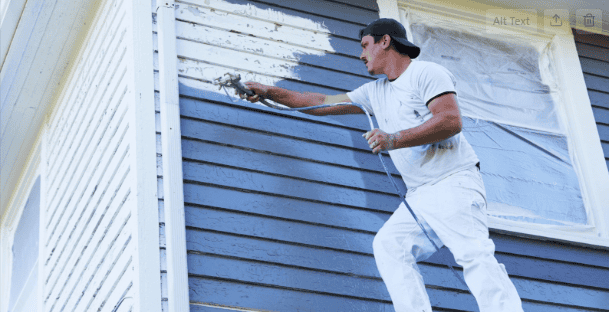
Homeowners ask us this all the time: “How many years should exterior paint last?” It sounds like a simple question, but the answer depends on the house. We’ve seen homes that still looked good after nearly ten years, and we’ve seen others that needed attention much sooner. Sometimes the difference comes down to the product that was used.
More often, it has to do with preparation, sunlight, moisture, the type of siding, and how well the previous crew handled the details. That’s why an experienced exterior painter in Olathe won’t look at the year on the calendar and immediately tell you it’s time to repaint. They’ll look at the house itself. The paint usually gives you plenty of warning before it completely fails. The key is noticing those signs early enough to avoid unnecessary repairs.
Five to Ten Years Is Only a Starting Point
You’ll often hear that a home exterior should be painted every five to ten years. That isn’t bad advice, but it’s still a broad estimate. A house that gets blasted by afternoon sun may fade faster than a home surrounded by mature trees. On the other hand, a heavily shaded house may stay damp longer after rain, which can create a completely different set of problems. Even two houses sitting across the street from each other can age at different rates.
A knowledgeable Olathe exterior painter will pay attention to those conditions before recommending anything. They’ll look at the siding, trim, caulking, sun exposure, and any areas where water may be collecting. The age of the paint matters, but the condition of the paint matters more.
Fading Is Usually the First Sign
Most paint jobs don’t go from fine to failing overnight. The change tends to happen slowly. A dark color may start looking flat. One side of the house may appear lighter than the others. Trim that used to look crisp may begin to look chalky or dull. Because fading happens gradually, it can be easy to miss. A lot of homeowners don’t notice it until they compare the home to an older photo or move a decoration and see the original color underneath. Fading doesn’t always mean you need to repaint immediately, but it does mean the finish is aging. That’s often the right time to have the exterior looked at, especially if other signs are beginning to appear.
Peeling Paint Is a Different Story
Once paint starts peeling, cracking, or lifting away from the surface, the issue has moved beyond appearance. The protective coating is no longer doing its job. We’ve looked at homes where the homeowner noticed one small peeling section near a window. Once we got closer, we found loose caulk, exposed wood, and moisture damage extending beyond the visible spot. That doesn’t always mean the entire house needs to be repainted. Sometimes the problem is limited to one area. Other times, it’s the first obvious warning that the rest of the finish is starting to break down too.
Professional exterior painters in Olathe should look at more than the peeling area itself. They should check nearby trim, siding joints, window surrounds, and any place water may have worked its way behind the coating. Simply painting over the problem won’t solve it.
Caulking Often Fails Around the Same Time
One thing homeowners don’t always think about is the caulking around windows, doors, trim boards, and siding transitions. Caulk is a small part of the exterior, but it does a lot of work. It helps keep water out of gaps and seams that would otherwise be vulnerable. Over time, caulk can shrink, crack, harden, or pull away from the surface. When that happens, moisture has a much easier path into the home’s exterior materials. A professional residential exterior painter in Olathe should never just paint over failing caulk. Those joints need to be cleaned out and resealed first. Otherwise, the new paint may look good for a while, but the problem underneath is still there. If you’re seeing cracked caulk in several places, it’s worth having the rest of the exterior inspected.
Every Side of the House Ages Differently
The front of the house may look fine while the back is already showing wear. We see that often. The west side may take the worst of the afternoon sun. The north side may hold moisture longer. Trim beneath an overhang may still look almost new, while exposed fascia boards are fading and cracking. Landscaping can also hide trouble spots. Shrubs, decks, and fences sometimes block airflow or make it harder to see areas where paint is beginning to fail. That’s one reason experienced exterior painters in Olathe walk the entire property instead of judging the home from the driveway. The least visible sections are often the ones that need the most attention.
The Last Paint Job Matters
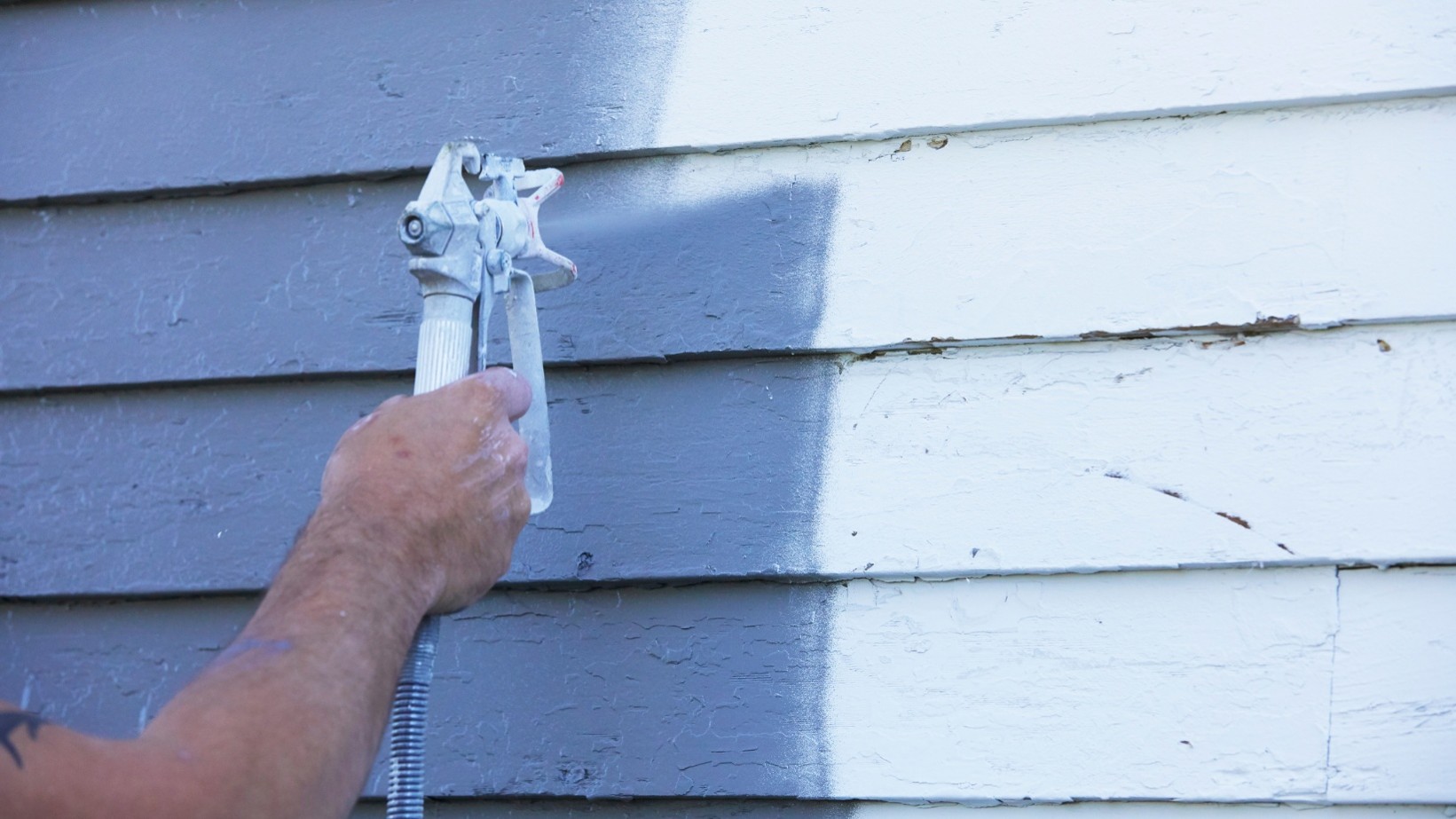
When paint fails sooner than expected, homeowners often assume the product was cheap. Sometimes that’s true. But we’ve also seen expensive paint fail because the surface underneath wasn’t prepared correctly. Maybe the siding wasn’t cleaned thoroughly. Maybe loose material was painted over. Maybe bare wood wasn’t primed. Maybe old caulk was left in place because replacing it would have taken more time. Fresh paint can hide those shortcuts temporarily. Eventually, though, the problems start showing through.
A dependable residential exterior painter in Olathe knows that the longest-lasting part of the project often happens before the finish coat is applied. Washing, scraping, sanding, repairing, priming, and caulking aren’t exciting, but they’re what give the paint something solid to bond to.
Different Materials Need Different Care
Not every home exterior should be treated the same way. Wood siding needs close attention because it can absorb moisture once the coating begins to fail. Fiber cement siding often holds paint well, but the joints and trim still need to be checked carefully. Stucco may develop small cracks that should be repaired before painting. Previously painted brick can bring its own set of challenges. An experienced Olathe residential exterior painter will identify what they’re working with before choosing a product or preparation method. Using the same process on every surface may be faster, but it isn’t always right. The best results come from matching the approach to the home.
Moisture Is Often the Real Problem
Peeling paint isn’t always caused by age. Sometimes water is getting behind the surface. Overflowing gutters, damaged flashing, poor drainage, leaking joints, and overgrown plants can all create moisture problems. If the source isn’t corrected, repainting alone won’t do much good. We’ve seen freshly painted sections begin bubbling again because the actual moisture issue was never addressed. A careful Olathe residential exterior painter will try to understand why the paint failed instead of simply covering the evidence. That may mean recommending a gutter repair, replacing damaged trim, or waiting for an area to dry completely before painting. It’s better to pause and fix the cause than rush into a paint job that may not last.
Sometimes the Right Answer Is to Wait
Not every inspection ends with a recommendation to repaint the whole house. Sometimes the finish is still doing its job. Maybe the color has faded slightly, but the paint is still bonded well. Maybe only a few trim boards need attention. In those cases, a small repair or touch-up may be enough to buy the homeowner more time. The best exterior home painters in Olathe should be comfortable telling you that. Most homeowners can tell when someone is giving them an honest opinion and when someone is trying to sell the largest project possible. A good contractor will explain what needs attention now, what can wait, and what you should keep an eye on over the next year or two.
Waiting Too Long Usually Costs More
There is a point where waiting stops being practical. Once wood is exposed, it begins taking on moisture. Small cracks widen. Trim softens. Repairs become more involved. At that point, the project may include replacing boards, repairing damaged areas, or doing much heavier preparation before painting can even begin. The best exterior home painters in Olathe understand that timing matters. Repainting too early doesn’t make sense, but waiting until the coating has completely failed usually makes the job more expensive. The goal is to catch the home in that middle window—when the paint is clearly aging but the materials underneath are still in good shape.
What Should You Look For?
A few warning signs usually tell you it’s time to start paying closer attention:
· Faded or uneven color
· Cracked or missing caulk
· Peeling, bubbling, or flaking paint
· Bare wood showing through
· Chalky residue on the siding
· Trim that feels soft or looks weathered
· Areas that stay damp longer than they should
· Touch-ups that no longer blend with the original finish
If you’re seeing several of these issues, it may be time to call an exterior painter in Olathe for an honest assessment. A trustworthy contractor should inspect the full exterior, explain what they’re seeing, and help you decide whether the house needs painting now or whether you still have some time. Exterior paint does more than improve curb appeal. It helps protect siding, trim, and other materials from sun, moisture, and changing weather.
Repainting at the right time can prevent small problems from turning into expensive repairs. A reliable exterior painter in Olathe will help you avoid both extremes: painting before it’s necessary and waiting until the damage is obvious. When you watch for the early signs and act at the right time, you give the next paint job a much better chance of lasting.

Ready not get started? Reach out to us online at Residential Solutions to fill out a form or call us at (913) 522-9004. We help homeowners. We help neighbors. We help people bring their homes back to life.
We listen. We repair. We paint. We make your house feel like home again. Would you like to discuss your next project? We are here to assist you with addressing wood decay, paint refreshment, and expert restoration. Follow us on Facebook for updates, project highlights, and tips to keep your home looking its best.


